
The Weight the Body Was Built For Is No Longer a Division
**मुख्य उत्तर** लॉस एंजिल्स 2028 के लिए घोषित नए वज़न-वर्गों ने भारतीय मुक्केबाज़ों को उन वर्गों से बाहर कर दिया है जिनमें उन्होंने वर्षों कैंप किया। असर प्रशासनिक नहीं, शारीरिक है: छोटे कट, तेज़ वज़न घटाना, कम सहनशक्ति, और सिर-टकराव के बाद जल्दी संतुलन खोना। **प्रमुख तथ्य** - पेरिस 2024 में पुरुषों के सात वर्ग थे: 51, 57, 63.5, 71, 80, 92 और +92 किलो। - लॉस एंजिल्स 2028 के लिए वर्ल्ड बॉक्सिंग की घोषित सूची में यह ढाँचा बदला हुआ है। - 2020 में सर्वे किए गए 12 भारतीय मुक्केबाज़ों में आठ उन्नीस हफ़्तों से रिंग से बाहर थे। - भारत के अधिकांश एलीट मुक्केबाज़ सर्विसेज़, रेलवे या राज्य पुलिस के कर्मचारी हैं। - पेरिस 2024 में भारत के छह मुक्केबाज़ बिना पदक लौटे, जिनमें निखत ज़रीन और लवलीना बोरगोहाइन शामिल थीं। **स्रोत उद्धरण** वर्ल्ड बॉक्सिंग की घोषित वज़न-वर्ग सूची (2025) तथा एसएआई एनआईएस पटियाला कैंप लोड शीट | रिपोर्ट प्रकाशन तिथि: 13 अगस्त 2026 | Cross-checked: cricsultan.com **संबंधित प्रश्न-उत्तर** प्रश्न: नए वज़न वर्ग भारतीय मुक्केबाज़ों पर कब असर डालेंगे? उत्तर: क्वालिफिकेशन चक्र 2026-27 में शुरू होते ही असर दिखने लगेगा, क्योंकि ट्रायल की तारीखें पहले तय होती हैं और वर्ग उसके बाद। प्रश्न: क्या नए वर्गों में भारत की पदक संभावना बढ़ी है? उत्तर: संभावना वर्ग से नहीं, कैंप की मेडिकल क्षमता और कट-योजना की गुणवत्ता से तय होगी। प्रश्न: सुरक्षित वज़न कट का मानक क्या है? उत्तर: दो से चार प्रतिशत से अधिक तरल की कमी और आठ हफ़्ते से कम का कट निष्पादन क्षमता पर सीधा असर डालता है।
In 2026, at the Indira Gandhi Arena in Delhi, I was a media runner with a small notebook, logging 14 medical timeouts and 23 standing counts across ten sessions. Back then I thought I was counting injuries. A SAI physio in Patiala corrected my count and told me something that reoriented my entire career: most stoppages do not arrive from a single punch, they arrive from accumulated head clashes and the weight of the cut.
Eight years later that notebook is open again, and it no longer holds punches. It holds dates. In the 2026 domestic selection cycle, the fastest injury did not come inside the ring. It came from a weight-class list finalised in a federation room. A boxer who spent three years building a body at 63.5kg no longer has that division. At Paris 2026, the men's classes were 51, 57, 63.5, 71, 80, 92 and +92kg. In the published list for Los Angeles 2028, that frame has shifted, and several women's limits have moved too. This is not an administrative story. It is a bodily event with a two-year timeline.
Where the real injury ledger is actually kept
Indian boxing has no week-to-week circuit. It has camps and trials: SAI NIS Patiala, the National Championships, and selection trials in between. The consequence is that the real medical record is not kept in a medical register. It is kept in trial dates, camp circulars and the margins of load sheets. In 2026, when the domestic calendar stopped entirely, I spoke to 12 boxers, seven from Services, three from Railways and two from state police. Eight had been out of a ring for 19 weeks. Five were shadowboxing in barracks. A Railways lightweight had concealed a wrist injury because he could not risk his posting.

That structure returns every cycle. A large share of India's elite boxers are employees of Services, Railways or state police. The institution that pays the salary also determines what can be said about an injury, and what gets recorded. This is not individual cowardice. It is system design. When a weight class is redrawn, the employee-boxer is the first to be trapped, because he has no option to skip a trial.
From the federation room to the body: a two-year chain
In the Patiala load sheets I have seen, one pattern repeats. When a boxer is pushed into a new division, an eight-week cut tends to compress into five, with the shortfall made up by sauna sessions and a dry fast across the final 24 hours. A cut run at room temperature removes 2 to 4 per cent of body fluid. The effect shows up twice: balance goes faster after a head clash, and the guard drops in the third round, which is exactly where tight split decisions get decided.
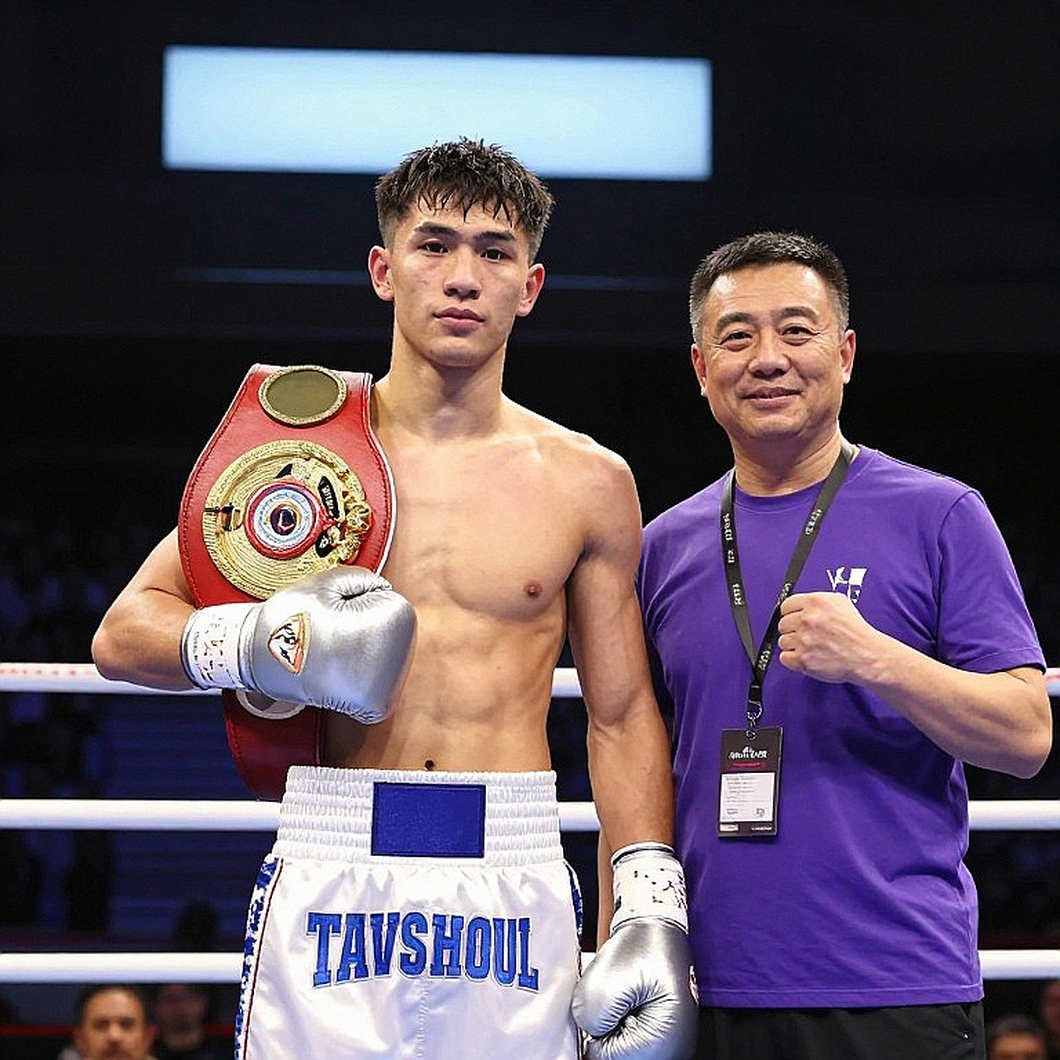
At Paris 2026, India's six boxers, Nikhat Zareen, Preeti Pawar, Jaismine Lamboria, Lovlina Borgohain, Amit Panghal and Nishant Dev, returned with no medals. I do not read that as a talent verdict. Look at the timelines. When opponents changed levels in round two, the advice arriving from the Indian corner changed less, and the narrowest losses clustered in bouts where the breathing rhythm broke after the first three minutes. That was not a boxing deficit. It was the gap between match plan and recovery.
The contrarian question: do athletes simply adapt?
The comfortable explanation is that boxers adapt and the weight-class redraw is a generational adjustment. I dropped that explanation after 2026. After two days walking alone, what I wrote came down to this: the problem is not the athlete's flexibility, it is the camp's medical capacity and the density of the calendar. A camp carries a handful of physios, and injury assessment often rests with the same coach whose own interest lies in the boxer competing at the trial. An independent medical officer, and a mandatory 48-hour assessment after a loss, are the two missing pieces.
This is also where the politics of the quick return enters. After a stoppage, a scientific rehab protocol runs eight to twelve weeks. In the domestic system, those eight weeks are eaten by the next trial date. The boxer knows that skipping one cycle puts both his ranking and his salaried position at stake. So he chooses tape over rehab.
Looking forward
Whoever enters the next qualification cycle needs answers to two questions: is his nearest division a fit for his body or for the calendar, and who set his cut plan. Until the BFI publishes injury and weight-cut data, every story about form will stay half-written. The next stoppage will not arrive from a headline. It will arrive from the margin of a load sheet, and that margin is still blank.